


Upgrading your car is about more than simply chasing horsepower. The best car performance upgrades can improve throttle response, airflow, cooling, handling and the overall driving experience, helping create a car that feels sharper and more capable on the road. But with so many performance modifications available, deciding what to upgrade first can be difficult.
Should you install an air induction kit? Is a performance exhaust worth it? When should you upgrade your intercooler? And should suspension upgrades come before adding more power? The answer depends on your vehicle, how you use it and what you want to improve.
Why Proven Performance?
At Proven Performance, we supply a wide range of performance parts for road and track applications, including air induction systems, exhaust components, intercoolers, cooling upgrades and suspension parts.
This guide explores seven of the best car performance upgrades and explains what each modification can bring to your build.
What Are the Best Car Performance Upgrades?
The best performance upgrades are those that improve areas of your car that matter for your particular vehicle and driving style.
For many enthusiasts, the most useful upgrades include:
- Air induction systems
- Performance exhaust systems
- Downpipes and exhaust flow upgrades
- Performance intercoolers
- Cooling system upgrades
- Lowering springs and suspension upgrades
- Chassis and supporting performance parts
Improving airflow may help the engine breathe more effectively, but additional performance can also create more heat. Increasing power can make suspension and braking performance more important, while chassis upgrades can help make better use of the performance already available.
1. Upgrade the Air Induction System
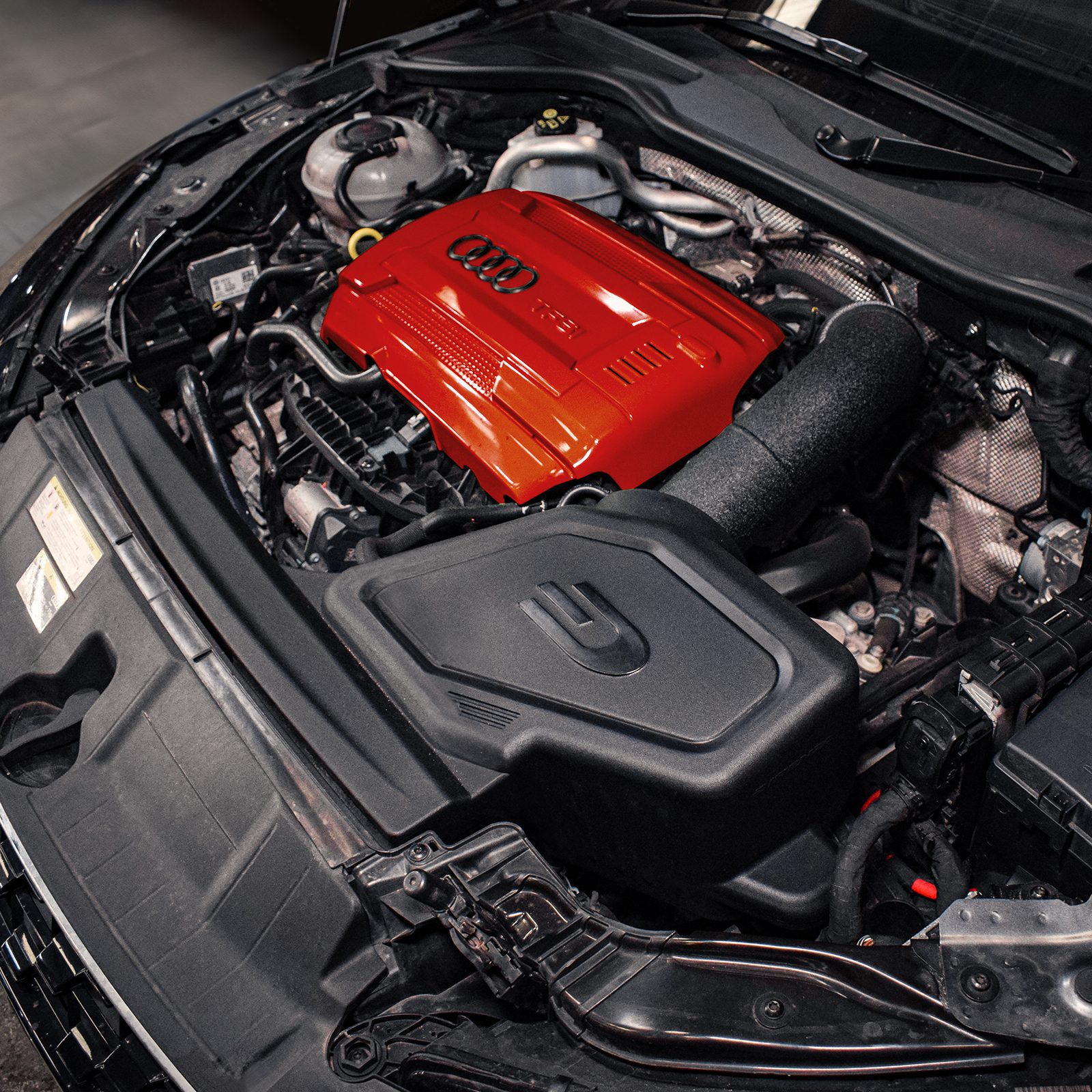
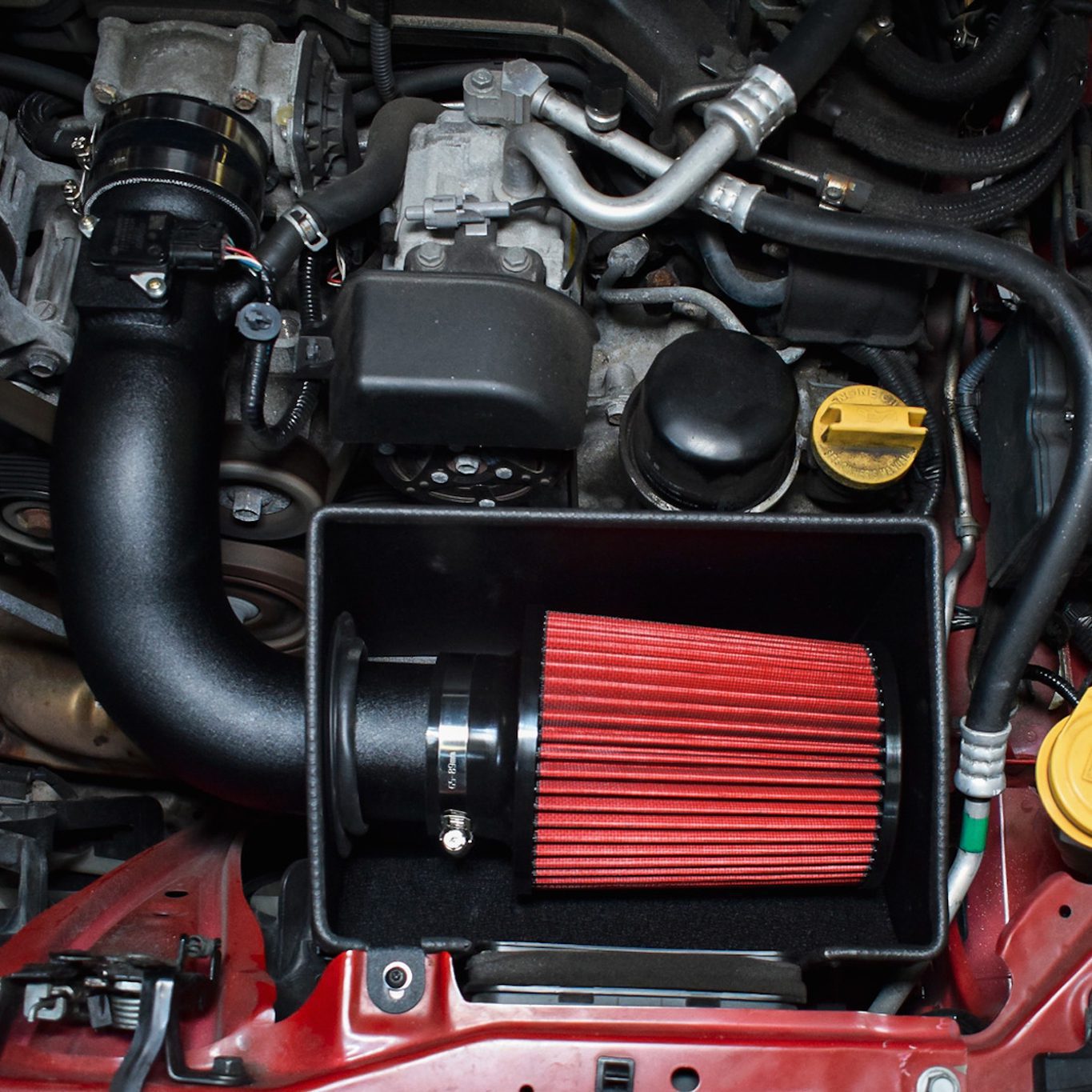
An engine needs a consistent supply of air to operate effectively. Factory intake systems must satisfy requirements including noise, packaging, filtration and manufacturing cost, meaning enthusiasts often look to aftermarket components when modifying their vehicles.
Performance induction upgrades can include:
What Does an Air Induction Upgrade Do?
The purpose of an upgraded induction system is to improve the route through which air reaches the engine. Depending on the vehicle and system, benefits may include improved airflow, sharper throttle response and a more noticeable induction sound.
Turbocharged cars can be particularly popular candidates for induction modifications, especially when additional engine upgrades or ECU tuning are planned. However, the results will depend on the engine, existing intake design and supporting modifications. For a more detailed explanation, read our Air Induction Upgrades guide.
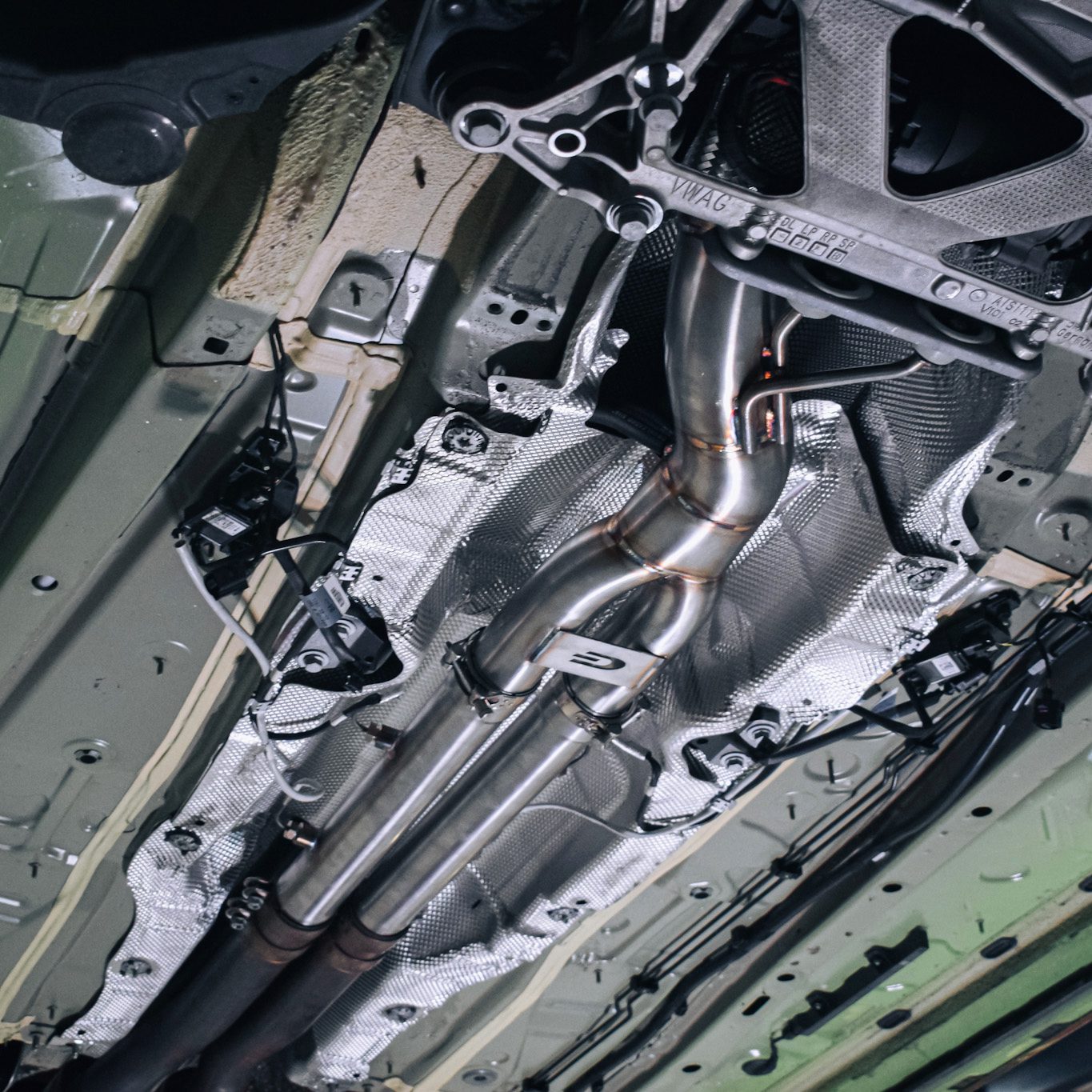
2. Fit a Performance Exhaust System
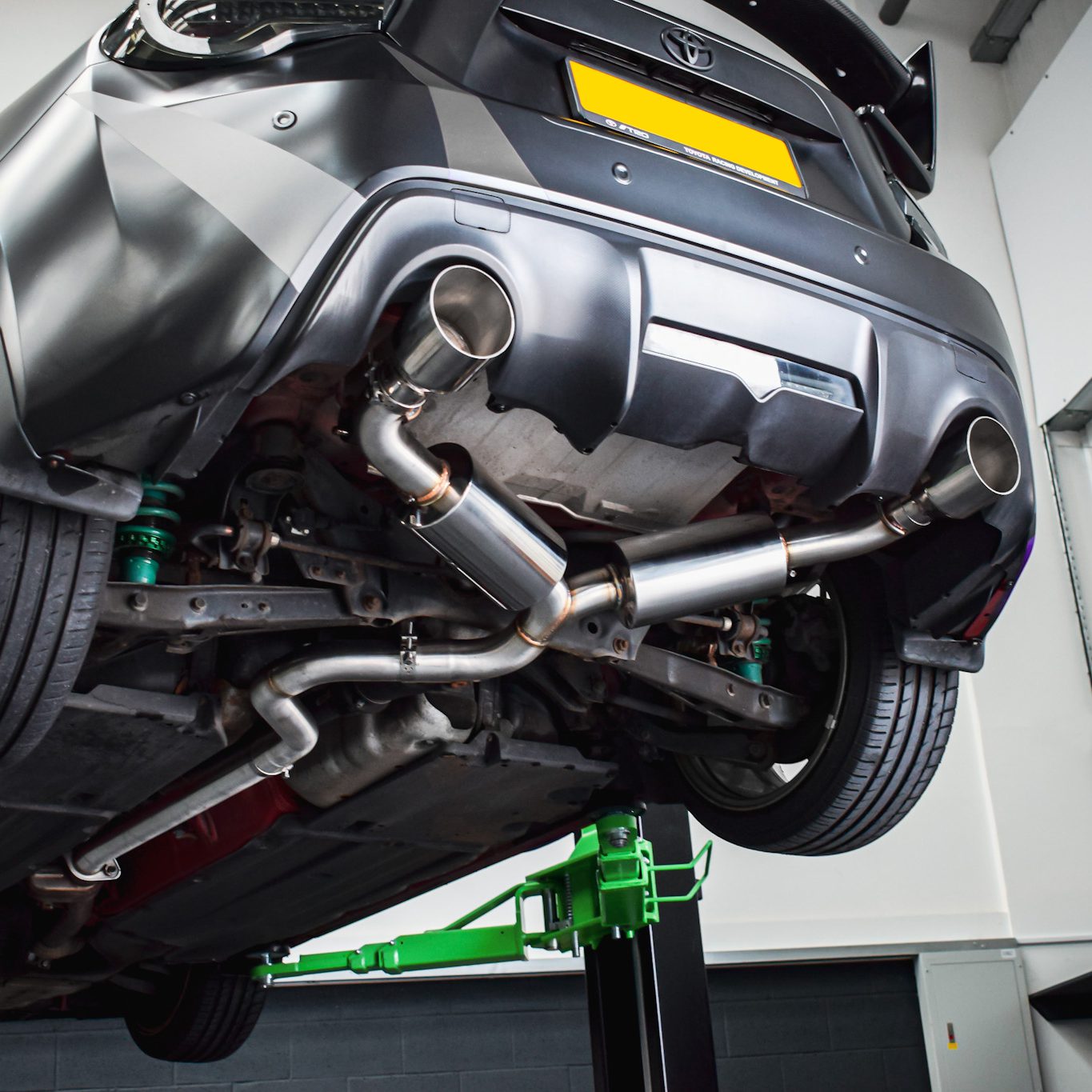
Performance exhaust systems are among the most popular car modifications because they can change both how a vehicle performs and how it sounds. Depending on the vehicle, an aftermarket system may use revised pipework, silencers and other components to alter exhaust flow.
Popular exhaust upgrades include:
What Are the Benefits of a Performance Exhaust?
A well-designed aftermarket exhaust may provide several benefits depending on the application.
These can include:
- Improved exhaust flow
- Reduced restriction
- More noticeable exhaust sound
- Potential improvements in throttle response
- Reduced weight with certain systems
- Support for further engine modifications
Different exhaust configurations can produce very different results, from a deeper road-friendly tone to a much more aggressive exhaust note.
3. Consider Downpipes and Exhaust Flow Upgrades
For turbocharged cars, upgrading individual parts of the exhaust system can be particularly important when building a higher-performance setup.
The downpipe sits in a critical section of the exhaust route after the turbocharger. Depending on the factory design, changing this part of the system may alter exhaust flow and support other modifications.
Performance exhaust components can be particularly relevant when combined with:
- Air induction upgrades
- Intercooler upgrades
- ECU tuning
- Additional cooling
- Other supporting engine modifications
Do You Need a Downpipe for More Power?
Not every modified car needs an upgraded downpipe. The answer depends on the engine, turbocharger, factory exhaust system, intended power level and tuning strategy. For a lightly modified road car, other upgrades may make more sense first. For a vehicle undergoing more extensive tuning, exhaust flow can become an increasingly important consideration. Drivers should also check applicable emissions, MOT and road-use requirements before making exhaust modifications, as not every performance component is suitable or legal for road use.
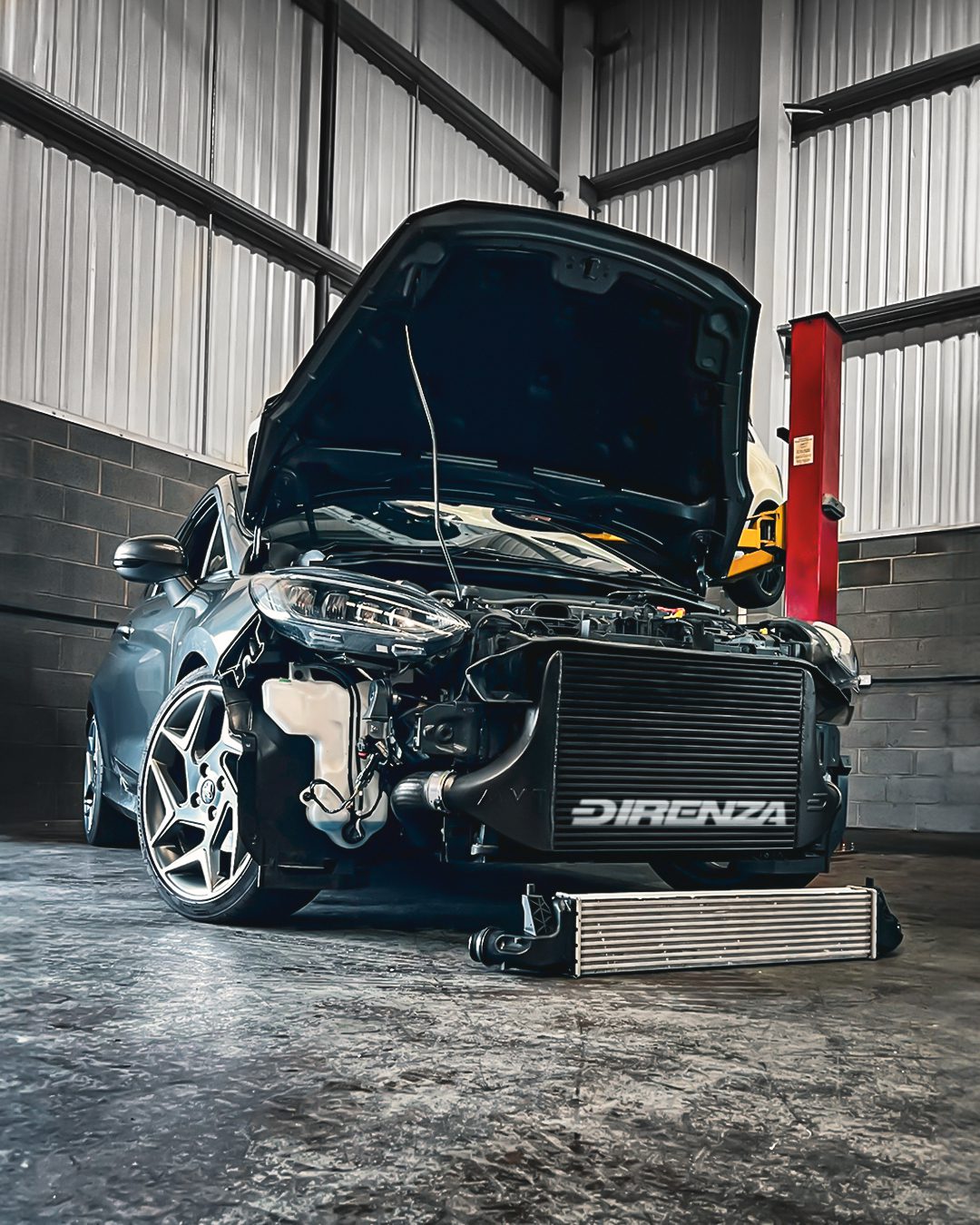
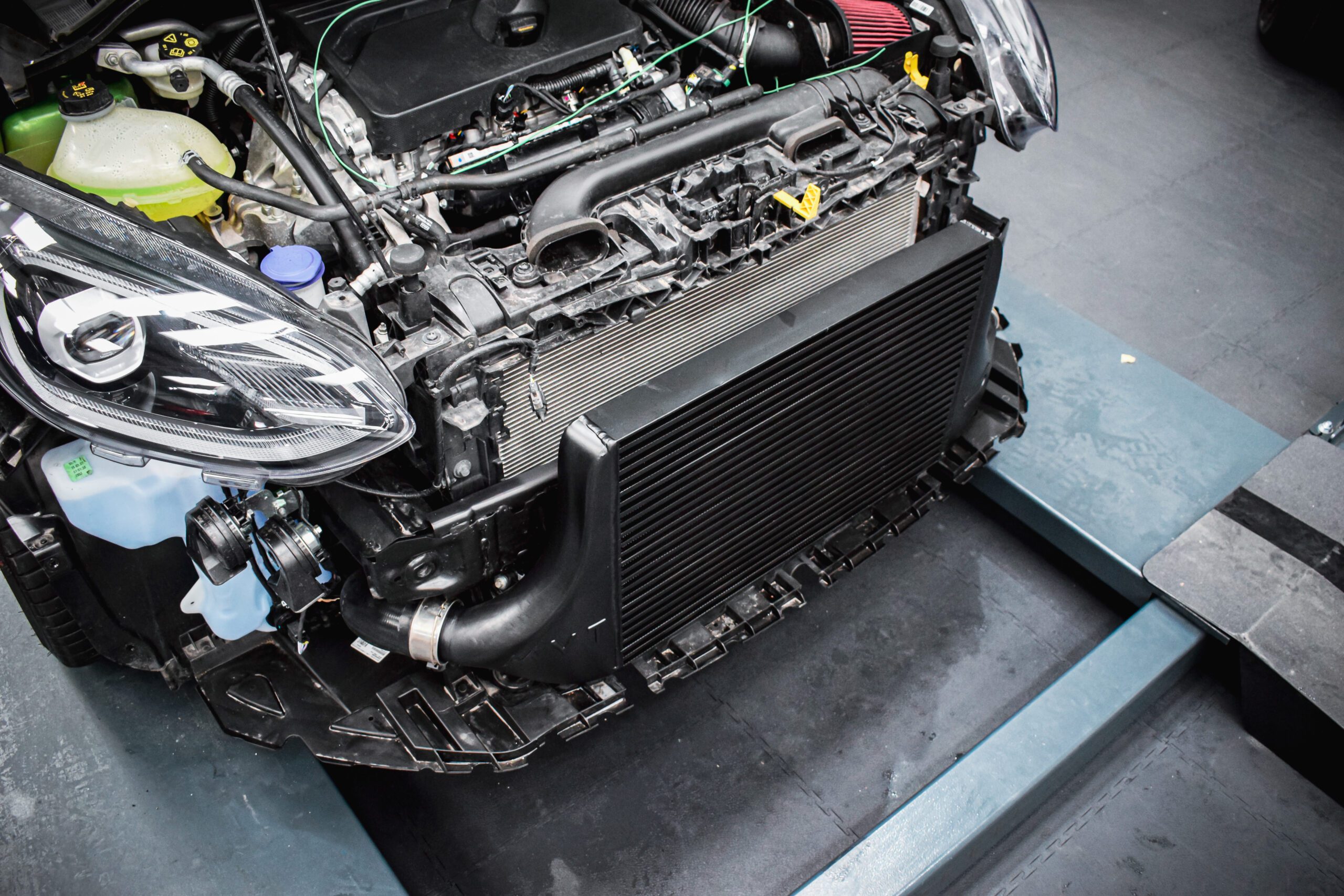
4. Upgrade the Intercooler on a Turbocharged Car
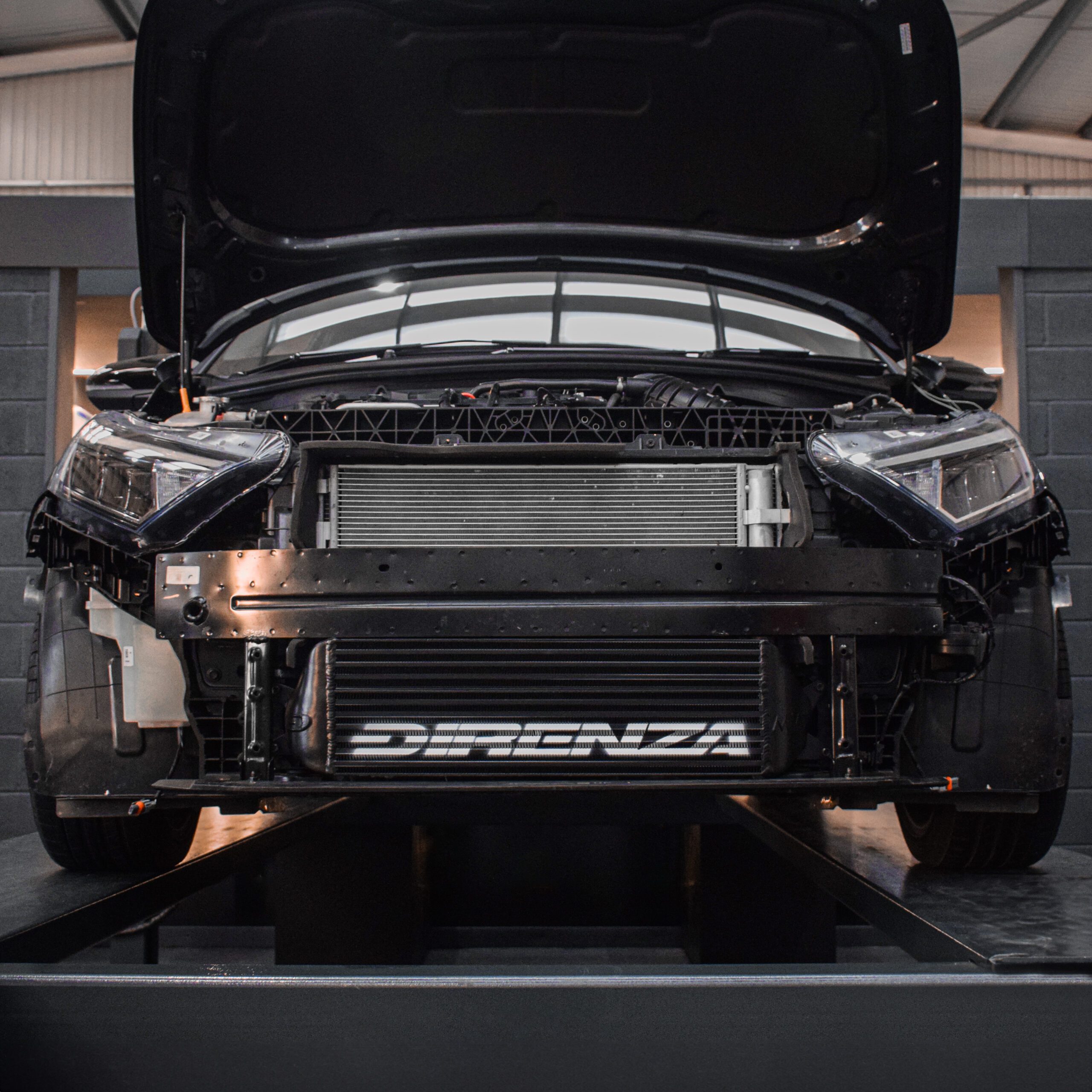
If you drive a turbocharged vehicle, a performance intercooler can be one of the most useful supporting upgrades. Compressing intake air creates heat. The intercooler helps reduce the temperature of the charged air before it reaches the engine. During repeated acceleration, spirited driving or increased boost, managing intake temperatures becomes increasingly important.
Benefits of a Performance Intercooler
Depending on the vehicle and setup, an upgraded intercooler can offer benefits such as:
- Improved charge-air cooling
- More consistent intake temperatures
- Reduced susceptibility to heat soak
- Improved consistency during repeated hard acceleration
- Additional cooling capacity for modified engines
A larger intercooler should not simply be viewed as a standalone horsepower modification. Its value is often in helping a turbocharged engine maintain more consistent operating conditions when demands increase.
Our Performance Intercoolers Explained guide covers intercooler design, heat soak, front-mount and top-mount intercoolers, tuning and supporting upgrades in greater detail.
5. Improve the Car's Cooling System
Increasing performance often means increasing heat.
That makes cooling one of the most important areas to consider when building a modified car, particularly when the vehicle is driven hard, used on track or tuned beyond its original output.
Performance cooling upgrades can include:
Why Is Cooling Important on a Modified Car?
Heat can affect both performance and reliability. A cooling system in good condition helps the engine operate within its intended temperature range. As demands increase, upgraded cooling components may provide additional capacity for suitable applications.
A car that can produce strong performance but struggles with rising temperatures during repeated hard use is not the same as a car capable of delivering consistent performance. If you’re planning a tuned road or track build, read our Car Cooling Upgrades: Essential Performance Parts for Power & Reliability guide.
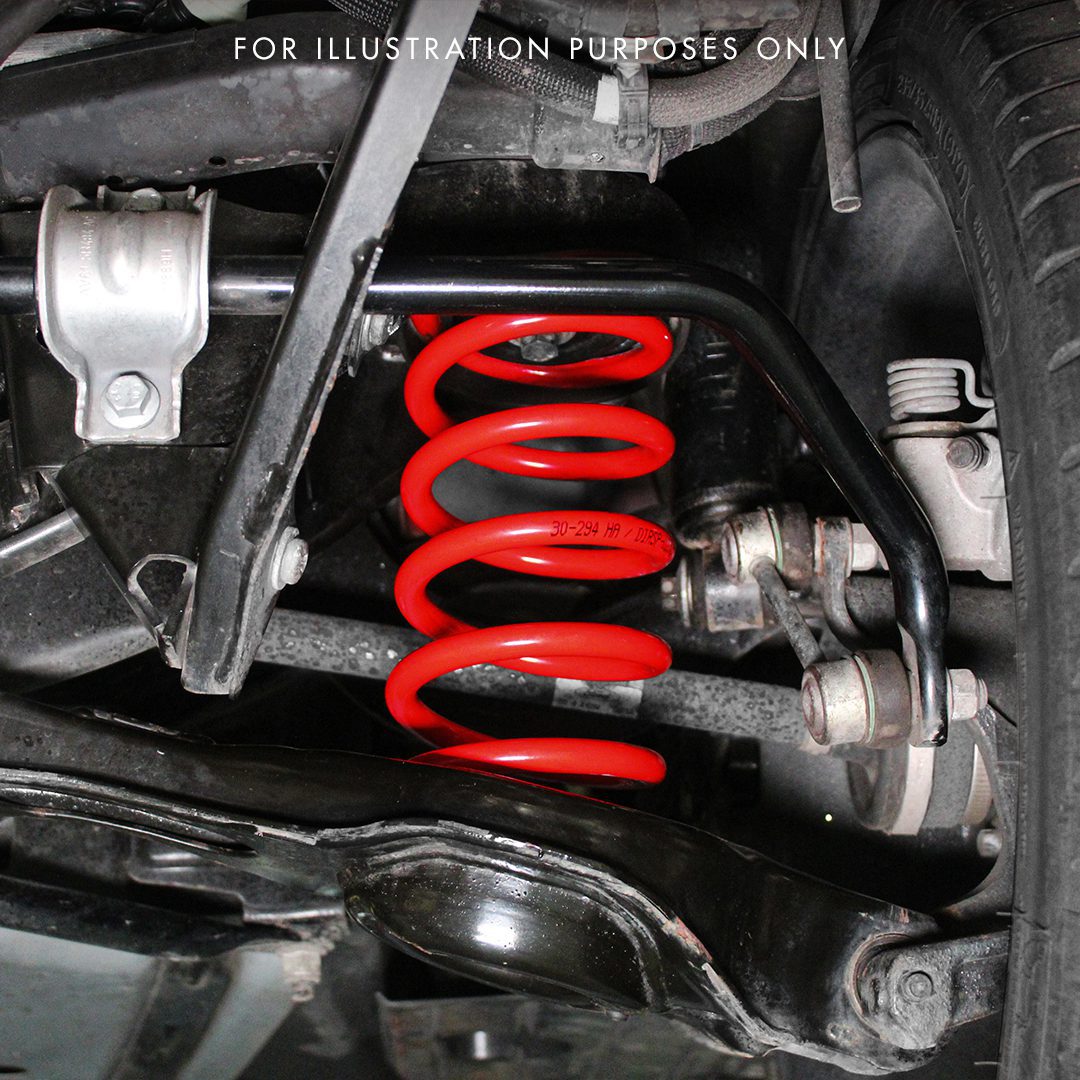
6. Upgrade the Suspension with Lowering Springs
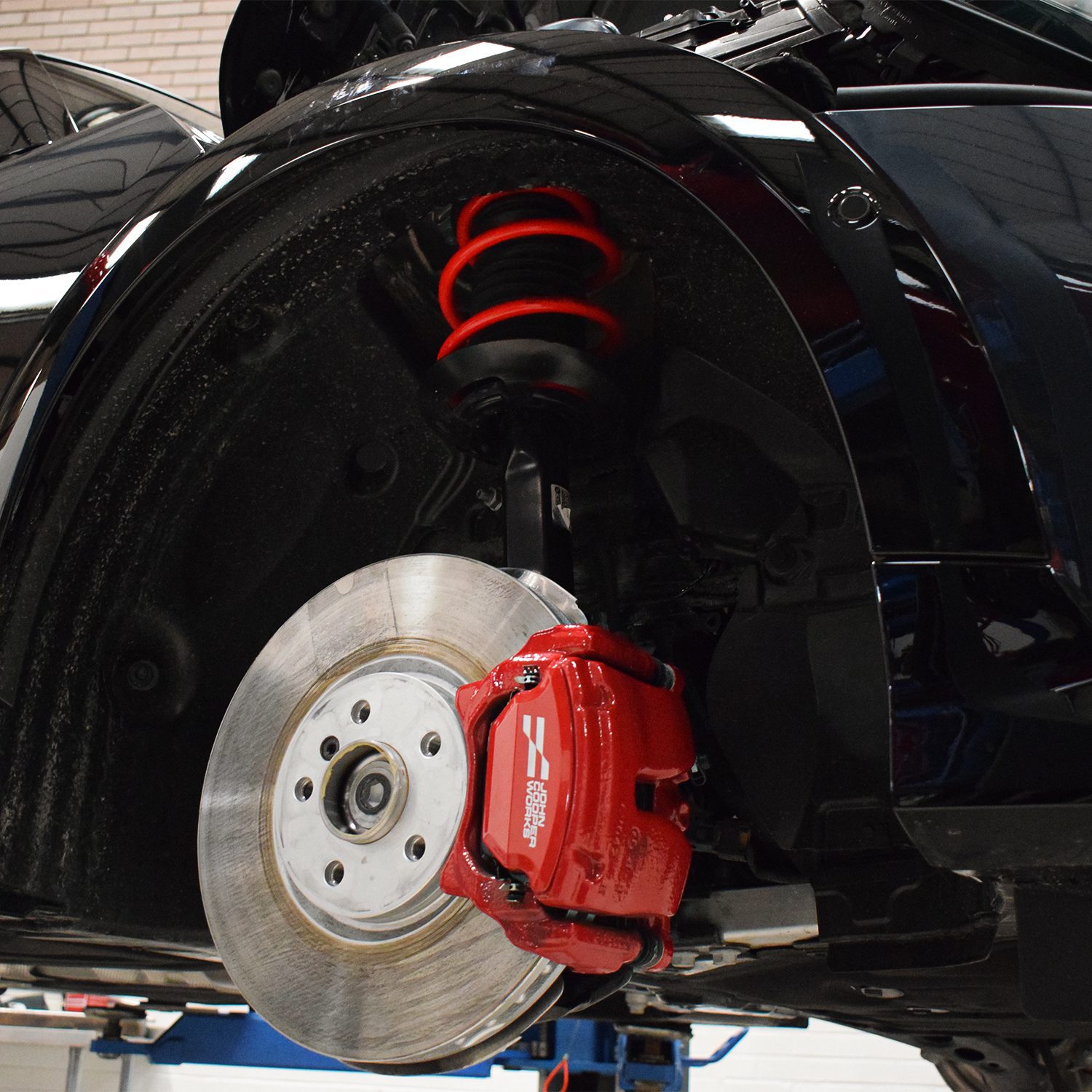
More engine power is not always the modification that makes the biggest difference from behind the wheel. Improving suspension can change how responsive, stable and engaging a car feels. Lowering springs are a popular option for enthusiasts looking to improve both stance and handling without necessarily replacing the entire suspension system.
What Do Lowering Springs Do?
Performance lowering springs reduce a vehicle’s ride height compared with its standard suspension setup.
Depending on the application, this can provide benefits including:
- Lower centre of gravity
- Reduced body roll
- Sharper handling
- Improved vehicle stance
- More responsive road feel
The exact lowering amount and spring characteristics vary between vehicles, so it is important to select springs designed specifically for the relevant make and model. Wheel alignment should also be checked after suspension changes.
Lowering Springs or Coilovers?
This is one of the most common questions when modifying suspension. Lowering springs can be an attractive option for drivers who want a relatively straightforward way to reduce ride height and improve stance.
Coilovers offer greater adjustment on suitable applications and may be more appropriate for enthusiasts who want more control over suspension setup. Neither is automatically the right answer for every vehicle.
We’ve covered the differences in detail in our Coilovers vs Lowering Springs guide. You can also read our dedicated Lowering Springs guide to understand how lowering springs affect ride height, handling and suspension behaviour.
7. Don't Ignore Chassis and Supporting Upgrades
The most effective performance builds are rarely based around one component. Once airflow, cooling and suspension have been considered, supporting modifications can help create a more complete setup.
Depending on the vehicle, these may include:
- Strut braces
- Adjustable suspension components
- Wheel spacers
- Intake pipework
- Silicone hoses
- Exhaust components
- Additional chassis parts
Why Supporting Modifications Matter
Think of a performance car as a collection of connected systems. Adding engine performance without considering cooling can increase thermal demands. Changing ride height without checking suspension geometry can affect how the vehicle behaves. Upgrading one part of the airflow system while leaving another restrictive component unchanged may limit the overall result.
A balanced build considers:
Air in → combustion → exhaust out → temperature control → braking → suspension → chassis
This approach can help you choose modifications based on what the vehicle actually needs rather than simply buying the most noticeable component first.
What Car Performance Upgrade Should You Do First?
There is no single modification that should always come first. The best starting point depends on what you want to improve.
For Better Sound
Consider an aftermarket exhaust or induction system. Both can make the car feel more engaging without necessarily requiring an extensive build.
For a Turbocharged Road Car
Air induction, intercooling and exhaust flow are common areas to consider, particularly if ECU tuning is planned.
For Better Handling
Look at tyres, suspension, lowering springs and suitable chassis components.
For a Tuned or Hard-Driven Car
Cooling becomes particularly important. Radiators, intercoolers and related components may help support the increased demands placed on the vehicle.
For a Balanced Performance Build
Avoid focusing exclusively on horsepower. Consider airflow, cooling, exhaust, braking, suspension and chassis performance together.
How to Choose the Right Performance Parts for Your Car
Before ordering any performance component, check that it is appropriate for your specific vehicle.
Important factors include:
Vehicle Compatibility
Check the make, model, engine, year and any other fitment requirements before purchasing.
Your Performance Goals
A road car, show car and track-focused build can require very different modifications.
Supporting Parts
Consider whether the upgrade works independently or requires additional components.
Road Legality
Certain modifications can affect emissions, noise levels, insurance or road legality. Check the applicable requirements before fitting parts intended for road use.
Installation
Some upgrades are relatively straightforward, while others should be installed by an experienced or qualified professional. Planning the complete build before buying parts can save both time and money.
Q. What is the best first performance mod for a car?
A. There is no universal first modification. An induction system or exhaust may suit someone looking for improved sound and response, while lowering springs may be more appropriate for a driver focused on handling and stance.
Q. What upgrades make a car faster?
A. Engine airflow, exhaust, ECU tuning and supporting hardware can contribute to increased performance, depending on the vehicle. More power alone does not necessarily create a better overall performance car, so tyres, brakes, suspension and cooling should also be considered.
Q. Is an air induction kit worth it?
A. An air induction kit can be worthwhile for drivers looking to change intake sound and potentially improve airflow and throttle response. Results depend on the vehicle, intake design and supporting modifications.
Q. Should I upgrade the suspension before adding more power?
A. It depends on the car. If the vehicle already has sufficient engine performance but feels soft or unstable, suspension upgrades may provide a more noticeable improvement to the driving experience than additional power.
Build a Balanced Performance Car
Whether you’re building a modified daily driver, fast road car or more focused performance project, choosing compatible parts and upgrading progressively can help create a more balanced and enjoyable vehicle.
Explore the latest air induction systems, exhaust components, intercoolers, cooling parts, suspension upgrades and other performance parts available from Proven Performance.