


Keeping engine temperatures under control is essential for maintaining reliable performance, particularly when a car has been modified to produce more power. While the factory cooling system may be perfectly adequate for a standard vehicle, increased engine load, spirited driving and performance modifications can place additional demands on it.
A performance radiator is designed to improve the cooling capacity of your vehicle by helping the cooling system dissipate heat more effectively. For tuned cars, track builds and vehicles regularly driven under demanding conditions, upgrading the radiator can help maintain more consistent operating temperatures.
But does every modified car need an upgraded radiator, and what should you look for when choosing one? In this guide, we’ll explain how performance radiators work, their benefits and when upgrading could be worthwhile.
What Is a Performance Radiator?
A performance radiator is an upgraded version of the radiator fitted to your vehicle as standard.
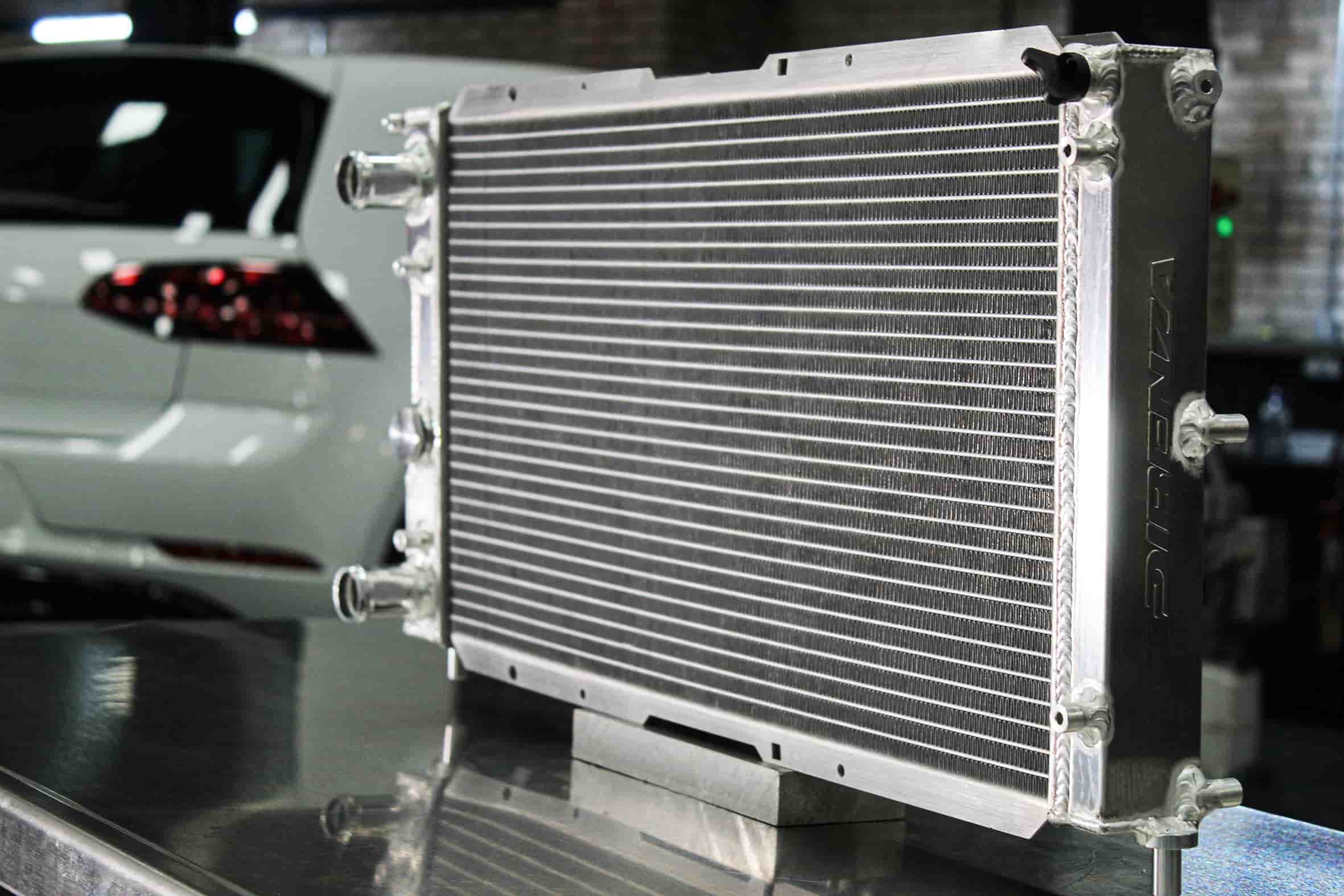
Its purpose remains the same: to transfer heat from the engine coolant into the surrounding air. However, performance radiators are typically designed to provide greater cooling capacity through features such as improved core designs, increased surface area or efficient aluminium construction.
Depending on the application, an upgraded radiator may feature:
- Larger or more efficient radiator cores
- Increased coolant capacity
- Aluminium construction
- Improved heat dissipation
- Upgraded inlet and outlet designs
- Stronger construction for demanding applications
The objective isn’t necessarily to make an engine run as cold as possible. Instead, a good cooling system should help the engine maintain an appropriate and consistent operating temperature, including when the vehicle is being driven hard.

How Does a Car Radiator Work?
The radiator is a key component of a car’s cooling system. As an engine operates, combustion and friction generate significant amounts of heat. Coolant circulates through the engine and absorbs some of this heat before travelling to the radiator.
Inside the radiator, coolant flows through a network of tubes surrounded by fins. Air passing across these fins helps transfer heat away from the coolant. The cooled fluid then returns to the engine and the process repeats. Other components including the water pump, thermostat, cooling fans, coolant hoses and expansion tank work alongside the radiator to regulate engine temperature.
If any part of this system cannot cope with the amount of heat being produced, coolant temperatures may rise beyond their intended operating range.
Standard Radiator vs Performance Radiator
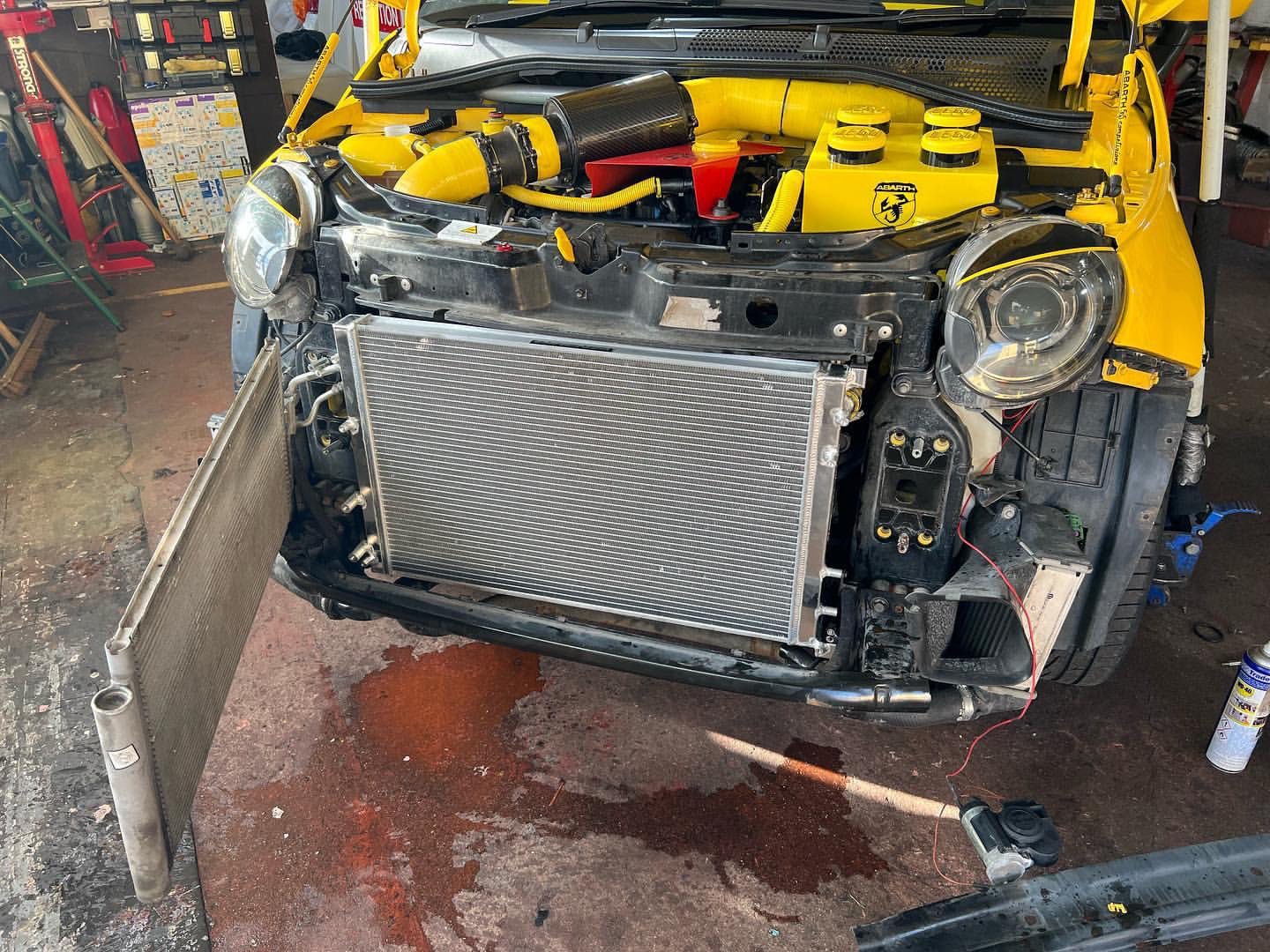
The fundamental difference between a standard and performance radiator is usually the amount of heat the radiator is capable of dissipating under demanding conditions. Factory radiators are designed around the requirements of the standard vehicle. Manufacturers must balance cooling performance against factors including packaging, cost, weight and everyday operating requirements.
For an unmodified road car, the original radiator may therefore provide all the cooling capacity required. The situation can change when the vehicle is modified. Engine tuning, increased boost pressure and other performance modifications can increase the amount of heat the cooling system needs to manage. A car used regularly on track or for sustained high-load driving may also place considerably greater demands on its cooling system than during ordinary road use. A suitable performance radiator provides additional cooling capacity to help manage those demands.
Standard Radiator vs Performance Radiator
Upgrading a radiator isn’t about producing horsepower directly. The main benefit is helping the engine manage heat more effectively.
For the right vehicle and application, there are several potential advantages.
Improved Cooling Capacity
Performance radiators can offer greater cooling capacity than the original unit. This can be particularly valuable when a modified engine produces more heat than the factory cooling system was originally designed to handle.
Better Heat Dissipation
A well-designed performance radiator can transfer heat from the coolant to the surrounding air more efficiently. Improved heat dissipation helps the cooling system manage the additional thermal load created during demanding driving.
More Consistent Temperatures Under Load
A standard cooling system may operate without difficulty during normal driving but begin to struggle when the engine is subjected to prolonged high loads. An upgraded radiator can provide additional thermal capacity, helping to keep coolant temperatures more stable during spirited driving or other demanding use.
Supporting Modified Engines
Increasing an engine’s performance can also increase the amount of heat it generates.
Depending on the vehicle and modifications involved, improving the cooling system can therefore become an important supporting upgrade. Rather than viewing a radiator as a modification that creates power, it is better to consider it part of the supporting hardware that can help a performance engine operate reliably.
Improved Cooling for Track and Spirited Driving
Track driving can place sustained loads on the engine that are difficult to reproduce during ordinary road use. Repeated acceleration and prolonged high engine speeds generate significant heat. A performance radiator can provide additional cooling capacity for vehicles regularly exposed to these conditions.
When Should You Upgrade Your Radiator?
Not every car requires a performance radiator.
If your vehicle is standard, the existing cooling system is in good condition and coolant temperatures remain stable, replacing the factory radiator solely for performance reasons may provide little practical benefit. An upgrade becomes more relevant when the demands placed on the engine exceed those expected from a standard vehicle.
You may want to consider a performance radiator if:
- Your engine has significant performance modifications
- The vehicle runs increased boost
- The car is regularly used on track
- Coolant temperatures rise during demanding driving
- The existing radiator has become inefficient or damaged
- You are building a vehicle intended for sustained high-load use
- Other modifications have increased the engine’s thermal load
Before replacing parts, however, unexplained overheating should always be properly diagnosed. A larger radiator won’t necessarily fix a faulty thermostat, damaged water pump, coolant leak, failed fan or another underlying cooling-system problem.
Do You Need a Performance Radiator After Remapping Your Car?
A remap does not automatically mean you need a performance radiator.
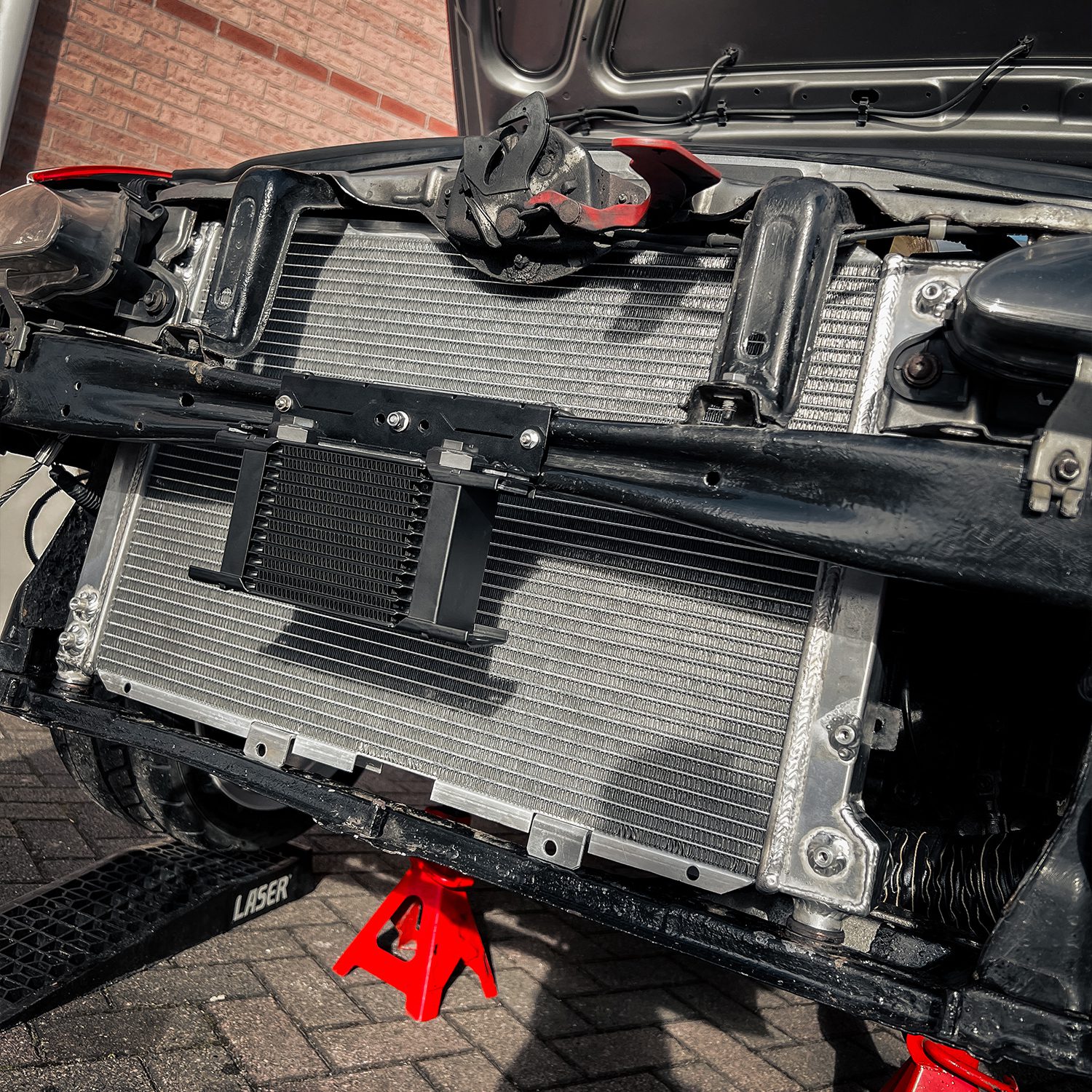
The answer depends on the vehicle, the extent of the tune, supporting modifications and how the car is used. A relatively mild ECU calibration on a road car may remain comfortably within the capacity of the standard cooling system.
More heavily modified vehicles can be different. Increased boost and power can result in greater thermal loads, particularly during repeated acceleration or prolonged high-load operation. In those circumstances, additional cooling capacity may become beneficial.
Rather than assuming every remapped car requires a new radiator, monitor how the cooling system performs and consider the complete specification of the vehicle. For more ideas on supporting modifications, see our guide to the best car performance upgrades.
Performance Radiator vs Intercooler: What's the Difference?
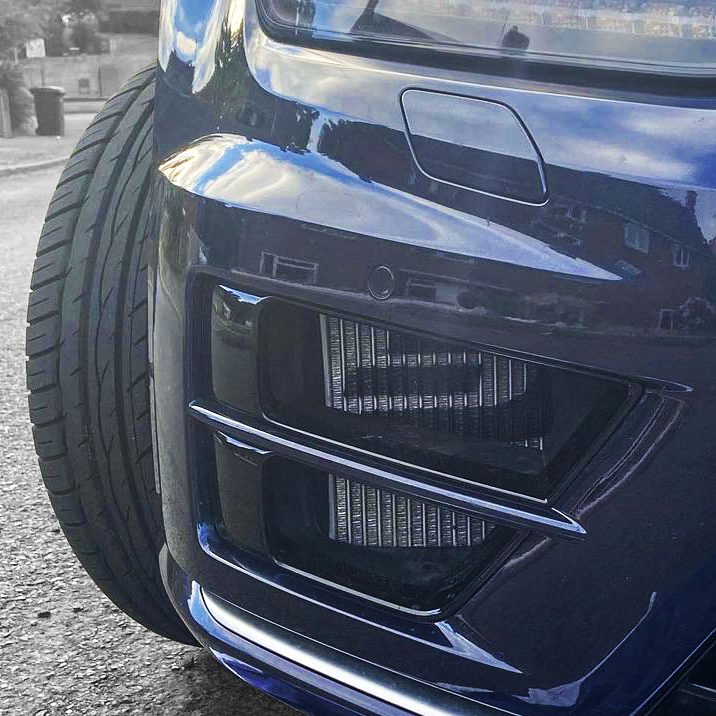
Radiators and intercoolers can look similar, but they perform different jobs. The radiator forms part of the engine’s cooling system. It removes heat from the engine coolant to help regulate engine temperature.
An intercooler is primarily used on forced-induction engines to reduce the temperature of the compressed intake air produced by a turbocharger or supercharger.
In simple terms:
Radiator: cools engine coolant.
Intercooler: cools compressed intake air.
Both can be important on modified turbocharged vehicles, but upgrading one doesn’t replace the function of the other. If you’re considering improving charge-air cooling, read our complete guide to performance intercoolers.
What Other Cooling Upgrades Should You Consider?
A radiator is only one component within the complete cooling system.
When building a modified vehicle, it is worth considering how all of the cooling components work together.
Cooling Fans
Cooling fans draw air through the radiator when natural airflow is insufficient, particularly when the vehicle is stationary or travelling at low speeds. An effective fan setup is therefore an important part of radiator performance.
Silicone Coolant Hoses
Coolant hoses connect different parts of the cooling system and allow coolant to circulate between the engine, radiator and supporting components. Upgraded silicone hoses are a popular choice for modified vehicles and can also provide a useful replacement when ageing original hoses need attention.
Performance Intercoolers
For turbocharged vehicles, reducing intake-air temperatures can be another important part of managing heat. A larger or more efficient intercooler can improve charge-air cooling, particularly where increased boost and power place additional demands on the standard intercooler.
Supporting Cooling Components
Depending on the vehicle, a complete cooling setup may also involve upgraded pipes, fittings, thermostatic components and other supporting hardware. The goal should be to build a balanced system rather than concentrating on one component in isolation.
Q. Do I need a bigger radiator for a modified car?
A. Not necessarily. Whether a larger or more efficient radiator is required depends on the modifications, engine, vehicle use and the performance of the existing cooling system. Heavily modified and track-driven cars are more likely to benefit from additional cooling capacity.
Q. Can I fit a performance radiator to a standard car?
A. Yes, provided the radiator is compatible with the vehicle. However, a standard car with a properly functioning factory cooling system may not gain a significant practical benefit from additional radiator capacity.
Q. What cooling upgrades work well with a performance radiator?
A. Depending on the vehicle and application, supporting upgrades can include cooling fans, silicone coolant hoses, intercoolers and associated pipes and fittings. The complete cooling system should be considered when modifying a vehicle.
Shop Performance Radiators at Proven Performance
Whether you’re building a modified road car or improving the cooling system of a performance-focused vehicle, choosing the right supporting components can help maintain consistent and reliable engine performance.
Proven Performance offers a range of performance cooling components for different vehicle applications, including radiators, intercoolers, cooling fans, pipes and silicone hoses. Explore our performance cooling range to find components suitable for your vehicle and build.